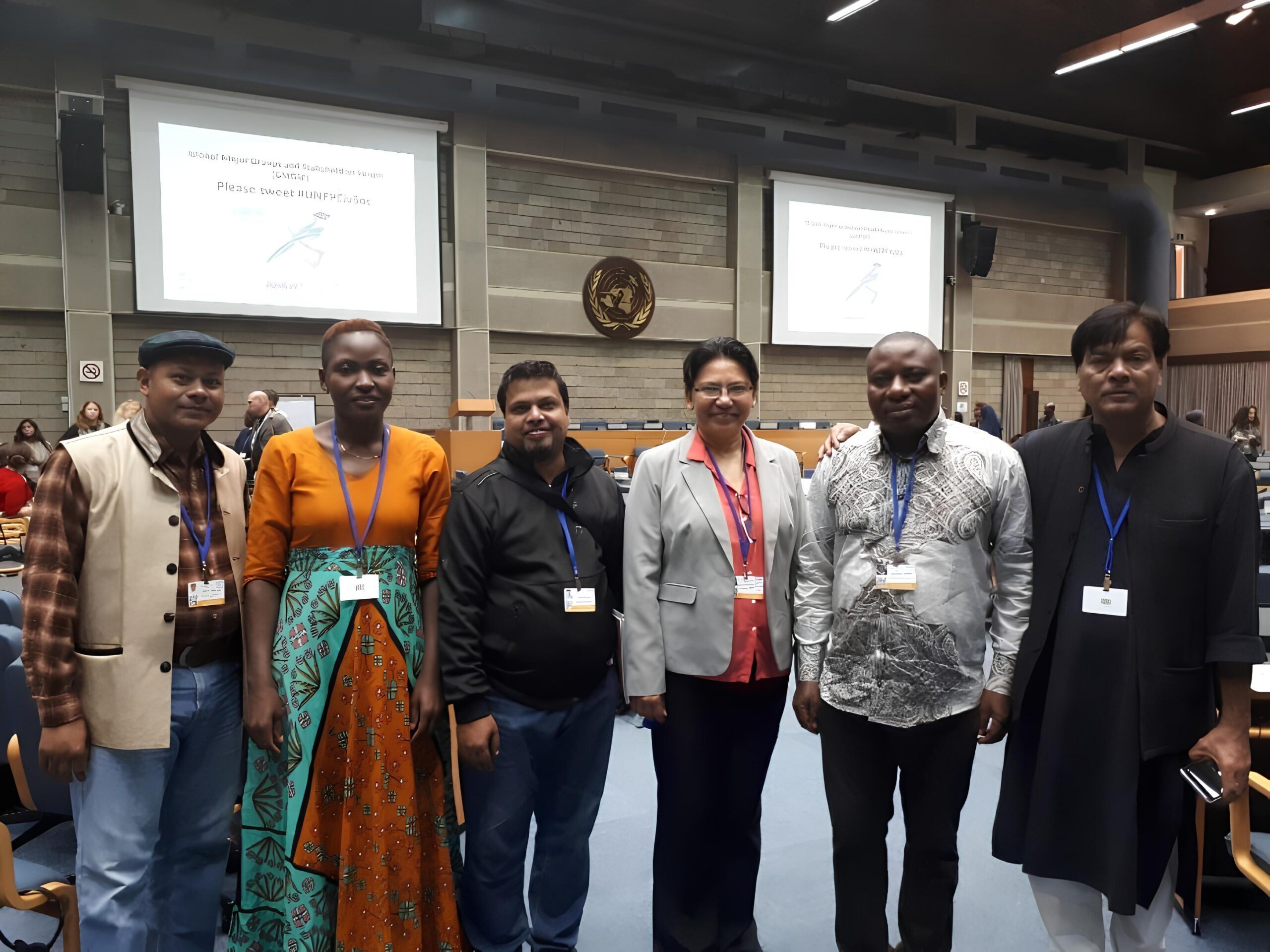
In a resounding affirmation of its growing influence in the global fight against fossil fuel expansion, the Miideekor Environmental Development Initiative (MEDI) actively participated in the Oilwatch Africa Annual General Meeting (AGM) and Conference held in Kampala, Uganda, from August 19–28, 2025. As a key member of this influential pan-African network resisting the devastating impacts of oil and gas extraction, MEDI’s delegation brought the voice of Nigeria’s Niger Delta to the forefront of continental discussions on halting new oil projects and advancing clean energy transitions.
The highlight of MEDI’s involvement was the presentation of the Nigerian Country Report by MEDI’s Team Lead, Celestine Akpobari, who delivered a compelling overview of Nigeria’s ongoing environmental crises. Drawing from decades of grassroots activism in Ogoniland and the broader Niger Delta, the report detailed persistent oil spills, gas flaring, incomplete cleanups, and the urgent need to reject new extraction initiatives. It emphasised how decades of hydrocarbon exploitation have left communities impoverished and ecosystems devastated, underscoring Oilwatch’s core call: “Oil drilling must stop in Africa.”
The AGM, which attracted delegates from more than 15 African countries affected by extractive industries—including Uganda, DRC, Mali, Togo, and others—served as a powerful platform for solidarity and strategy-building. Discussions focused on rejecting fossil fuels in favour of renewable energy, addressing risks in the global energy transition, and expanding the network to amplify grassroots voices. MEDI’s presentation resonated deeply, highlighting parallels between Nigeria’s Niger Delta struggles and emerging threats like the East African Crude Oil Pipeline (EACOP) and other projects across the continent.
As the lead organisation representing Nigeria, MEDI leveraged the event to strengthen alliances with like-minded groups, share lessons from campaigns against forceful oil resumption, and advocate for decommissioning polluting infrastructure. Akpobari’s report reinforced MEDI’s longstanding position: communities must prioritise restoration and sustainable development over continued extraction that benefits corporations at the expense of people and the planet.
This participation aligns seamlessly with MEDI’s mission to drive environmental justice, community empowerment, and accountability across the Niger Delta and beyond. By presenting Nigeria’s realities on this prestigious continental platform, MEDI not only elevated the struggles of affected communities but also contributed to Oilwatch Africa’s unified demand for a just transition that leaves fossil fuels in the ground.
MEDI remains committed to leading such international advocacy, building bridges with African and global allies to protect vulnerable ecosystems and ensure that the voices of the frontline communities are heard loud and clear.